
Why Shared Experience Matters When Working With International Students

Updated: Sep 15
When an international student sits down for their first therapy session, they’re not just navigating typical college stress (or any other reason they decided to try therapy). They’re doing it in a second (or third) language, far from family, in a culture with completely different unspoken rules about everything from small talk to how you’re supposed to ask for help.
A Note About Therapy
Many Black, Indigenous, and People of Color (BIPOC) individuals avoid therapy altogether. The reasons can be complex, including cultural stigma, financial barriers, and a shortage of diverse providers. Many clients simply want a therapist who looks like them and gets it, without having to explain the basics first.
Moving to a new country for school means rebuilding your whole life from scratch: new friendships, new routines, a new sense of “normal", and the shock of adjusting to a new culture. Even simple things, like ordering food or finding your way around, take extra mental energy when you’re doing them in a language that isn’t your first.
And that’s before you even get to the actual stress of being a student. Being a full time student often involves exams, deadlines, figuring out what you want to do with your life.
It’s the kind of stress that’s easy to minimize from the outside. “You’re just adjusting” doesn’t capture what it actually feels like to be homesick, disoriented, and expected to function at full capacity and as quickly as everyone else.
Why Therapy Matters
Therapy works best when a client feels genuinely heard and understood. For international students, that often means working with a clinician who has some lived understanding of what it’s like to move across the world, learn a new language, or balance two cultures at once.
That doesn’t mean a therapist has to have had the exact same experiences. But there’s something different about working with someone who gets the specific understandings of loneliness that comes with being far from home, or who doesn’t need every cultural reference explained.
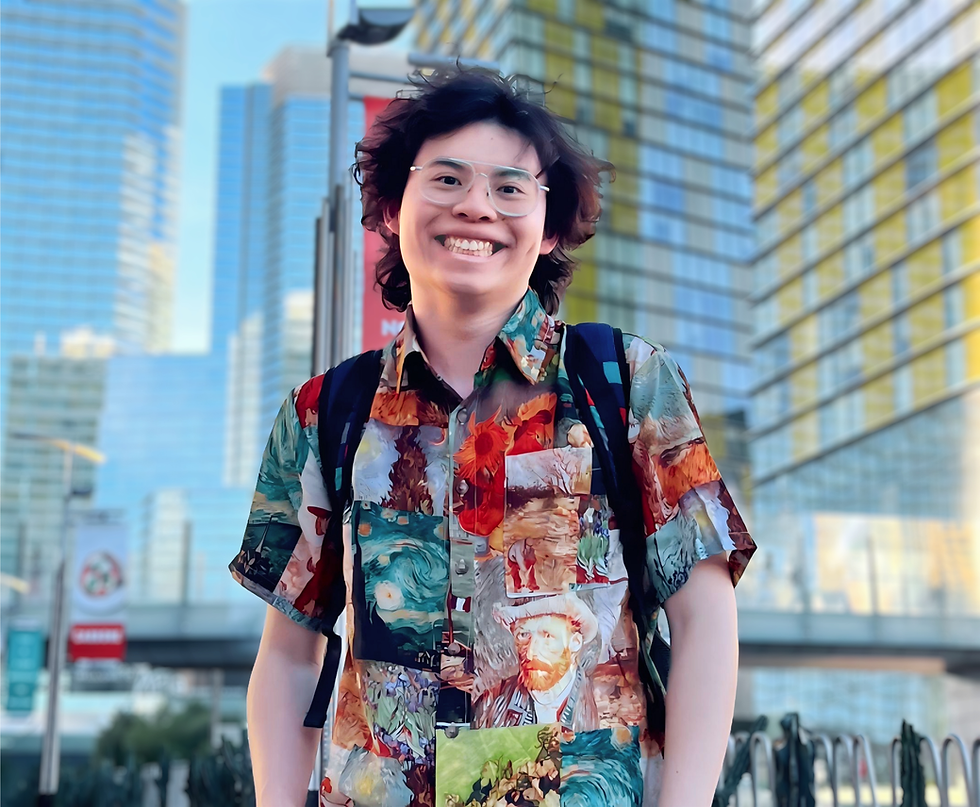
Mimi Jiang (he/him), is a pre-licensed therapist based in Phoenix, Arizona and works primary with young adults, college students, Asian and Asian American clients, first-generation individuals, and LBGTQ+ adults. He also provides therapy in Mandarin (普通话) so that clients can feel more comfortable expressing themselves. He explains, "It's really difficult for the Asian community to even go to therapy. We didn't grow up expressing our feelings, let alone asking for help." He also reflects on his own experience moving from China to Phoenix as an international student, more than 6,000 miles from home, and the loneliness that came with adjusting to a new culture. Finding someone from his own community made a meaningful difference, giving him a sense of connection that grew into both professional support and a trusted relationship.
Building Real Support Systems
Therapy also becomes a place to figure out how to build a life here instead of simply getting through each day. It’s helping students build meaningful connections in a place where they may not have one yet which is connecting with community groups, finding peers who share their background, and giving themselves permission to grieve what they left behind while also embracing what’s new.
Therapy can be one part of that support system, but it works best with real community connection, whether that’s a cultural organization, a campus group, or simply other students who understand the specific experience of starting over somewhere new.
The Takeaway
Adjusting to a new country and a new academic system is hard, and it deserves to be treated as the significant life transition it is, not brushed aside as something students should just push through. With the right support, that transition can become less about surviving and more about actually settling in.
If you're an international student, first-generation individual, or simply looking for a therapist who understands the challenges of balancing cultures, you're not alone. Mimi Jiang, pre-licensed therapist provides a welcoming space where you can speak openly, whether in English or Mandarin (普通话), and work through life's challenges with someone who understands the experience of starting over. If you're ready to take the next step, reaching out is a great place to begin. You can book a free consultation with him here.


Comments